Your heart beats continuously to circulate blood throughout your body. Sometimes, symptoms such as a racing heartbeat, dizziness, chest discomfort or unexplained shortness of breath may indicate that your heart needs medical assessment. In these situations, a doctor may recommend an electrocardiogram (ECG) to check your heart’s electrical activity.
But when do you need an ECG test, and what can it tell you about your heart health?
An ECG is a quick, non-invasive test that records the electrical signals controlling your heartbeat. It can help healthcare professionals assess your heart rate and rhythm and identify certain abnormalities. However, an ECG is only one part of a medical evaluation, and a normal result does not rule out every heart condition
What Is an ECG Test?
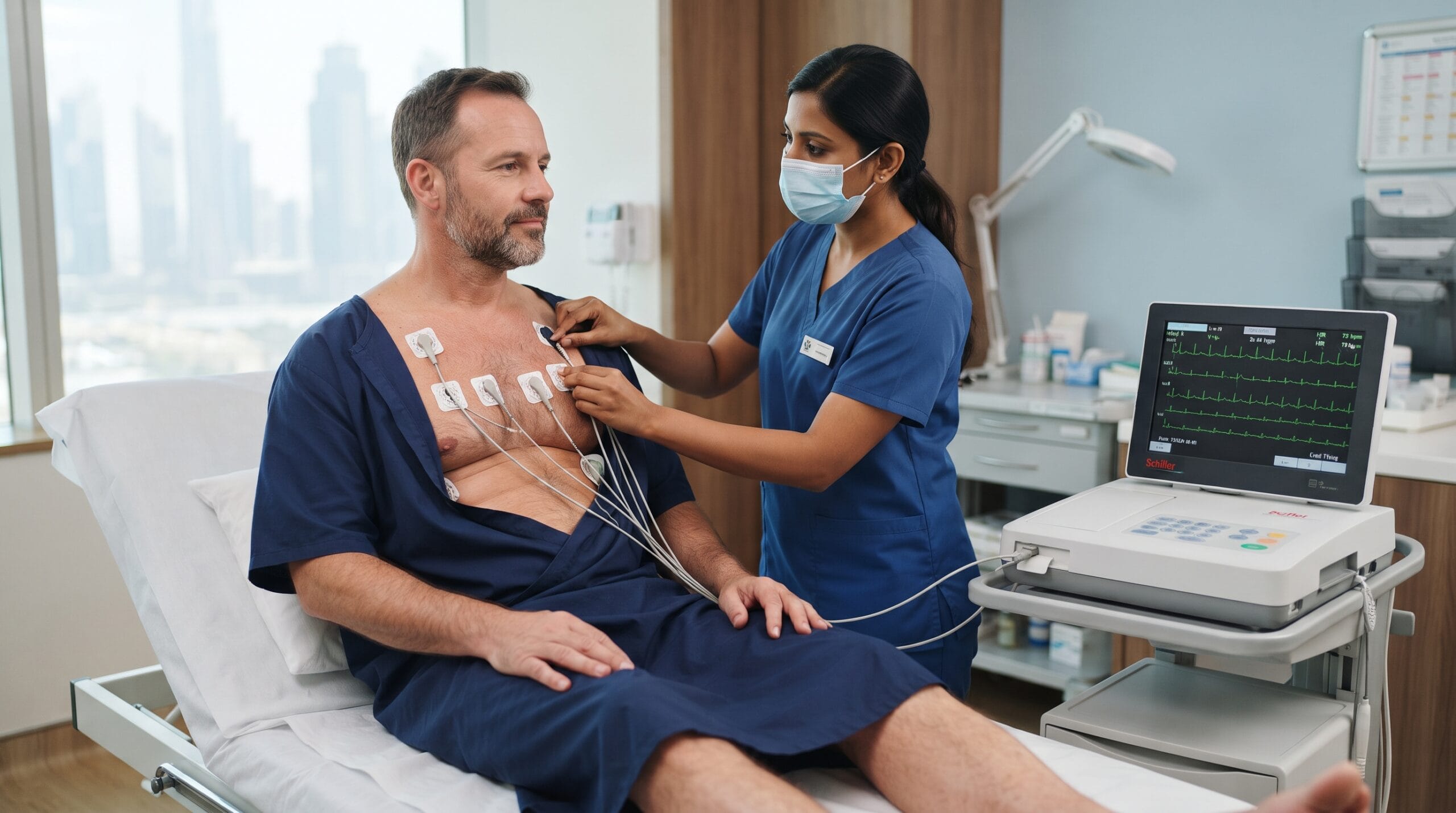
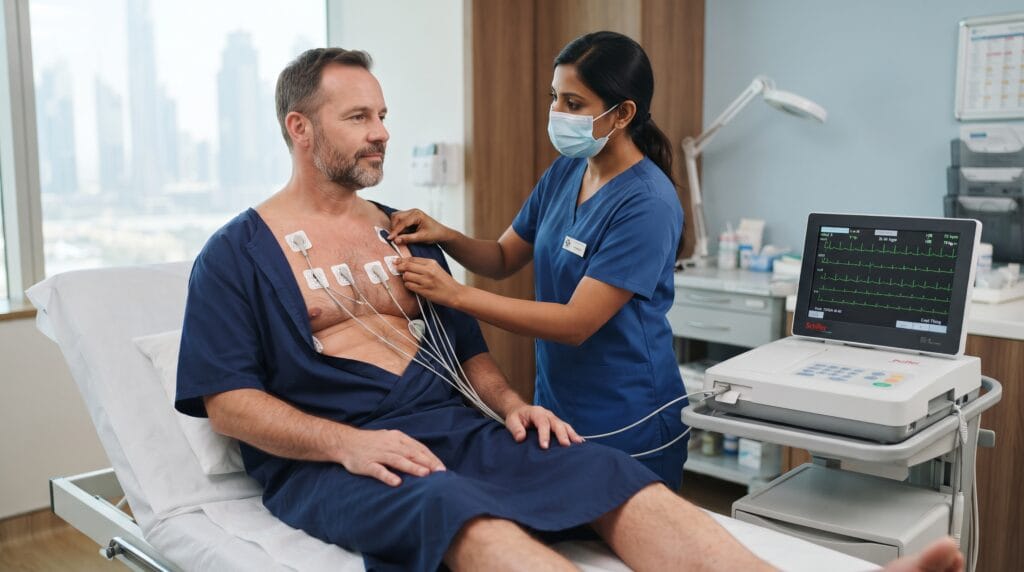
An electrocardiogram, commonly called an ECG or EKG, records the electrical activity of your heart using small sensors called electrodes. These sensors are placed on your skin and connected to an ECG machine, which produces a tracing of your heart’s electrical signals.
Doctors use this tracing to assess the heart’s rate and rhythm and look for certain electrical abnormalities or signs that may suggest a heart problem.
An ECG may be recommended to:
Investigate symptoms that could be related to a heart condition.
Check for an unusually fast, slow or irregular heartbeat.
Help assess possible signs of a current or previous heart attack.
Monitor certain diagnosed heart conditions.
Evaluate how some heart-related medications affect electrical activity.
Support a medical assessment before selected surgical procedures.
7 Signs You May Need an ECG Test
Chest Pain or Discomfort
Chest pain can have several causes, including muscle strain, digestive problems and heart conditions. However, new or unexplained chest discomfort should never be ignored.
A doctor may recommend an ECG to help assess whether the symptoms could be related to a heart attack or another cardiac problem.
Seek emergency medical care immediately if you experience sudden or persistent chest pressure, especially with sweating, nausea, breathlessness or pain spreading to your arm, back, neck or jaw. Do not delay emergency care to arrange a routine ECG appointment.
A Fast or Irregular Heartbeat
Have you ever felt your heart racing, fluttering, pounding or skipping beats? These sensations are known as palpitations.
Palpitations can occur because of stress, caffeine, some medications or other causes. They may also be associated with an abnormal heart rhythm, known as an arrhythmia.
A doctor may recommend an ECG to examine the heart’s rhythm. If the symptoms come and go, a standard ECG may not capture the abnormality, so longer-term heart rhythm monitoring may sometimes be needed.
Shortness of Breath
Breathlessness during ordinary activities, at rest or alongside other symptoms may require medical evaluation.
Although respiratory conditions, anaemia and other health issues can cause shortness of breath, heart problems are another possible cause. An ECG may help a clinician investigate whether the heart’s electrical activity is contributing to the symptoms.
Sudden or severe breathlessness, particularly with chest pain, fainting or blue or grey lips, requires emergency assessment.
Dizziness or Fainting
Occasional light-headedness can occur for many reasons, including dehydration or low blood pressure. However, unexplained or recurrent dizziness and fainting may sometimes be associated with an abnormal heart rhythm.
A doctor may recommend an ECG to check the heart’s electrical activity and decide whether additional tests are necessary.
Fainting during physical activity or fainting accompanied by chest pain, palpitations or significant breathlessness warrants urgent medical assessment.
Unexplained Fatigue or Reduced Exercise Tolerance
Feeling unusually tired does not automatically mean you have a heart problem. Poor sleep, stress, nutritional deficiencies and many other conditions can cause fatigue.
However, persistent unexplained fatigue or a noticeable reduction in your ability to perform normal physical activities may warrant medical evaluation, especially when accompanied by breathlessness, chest discomfort or palpitations.
Depending on your symptoms and medical history, your doctor may recommend an ECG alongside other investigations.
Symptoms That Develop During Exercise
If you experience chest discomfort, unusual breathlessness, dizziness or palpitations while walking, climbing stairs or exercising, seek medical advice.
A clinician will assess your symptoms and determine which investigations are appropriate. Depending on the circumstances, these may include a resting ECG or an exercise-based cardiac test.
Do not continue exercising through concerning symptoms. If they are severe, sudden or persistent, seek emergency medical care.
Unusual Symptoms Alongside Existing Health Conditions
People with diagnosed heart disease or certain other health conditions may need additional assessment when new symptoms develop.
Your doctor may consider an ECG if you have symptoms alongside conditions or risk factors such as:
High blood pressure.
Diabetes.
Known cardiovascular disease.
A history of heart rhythm abnormalities.
A family history of certain inherited heart conditions.
Having one of these risk factors does not automatically mean you need an ECG. Your clinician can determine whether the test is appropriate based on your individual circumstances.
When Might a Doctor Recommend an ECG Without Symptoms?
An ECG is not necessary for everyone as part of a routine health check-up. However, a doctor may recommend one even when you feel well.
Possible reasons include:
Monitoring a previously diagnosed heart condition.
Checking heart rhythm before or during treatment with certain medications.
Assessing a patient before selected surgical procedures.
Investigating a relevant medical history or specific cardiovascular risk.
What Can an ECG Test Detect?
An ECG provides information about the electrical activity of your heart. Depending on the circumstances, it may help identify:
Abnormal heart rhythms.
A heart rate that is unusually fast or slow.
Certain electrical conduction abnormalities.
Electrical changes that may suggest a current or previous heart attack.
Changes that require further investigation.
Where Can You Get an ECG Test in Dubai?
f you have symptoms that may require a heart assessment, start by consulting a qualified healthcare professional. They can review your symptoms, medical history and risk factors to determine whether an ECG or another investigation is appropriate.
For people looking for an ECG test in Dubai, Medilife Clinic provides a dedicated ECG service page with information about its offering.
Learn more here: ECG Test in Dubai at Medilife Clinic.
Contact the clinic to confirm service availability, appointment arrangements and any preparation instructions before visiting.
Frequently Asked Questions About ECG Tests
Find answers to common questions about ECG tests, their purpose, procedure, results and where to get an ECG test in Dubai.
A doctor may recommend an ECG if you experience chest discomfort, palpitations, unexplained dizziness, fainting or shortness of breath. It may also be used to monitor an existing heart condition or assess specific medical concerns.
An ECG can help identify abnormal heart rhythms and certain electrical changes associated with heart conditions. However, it cannot detect every heart problem, and further tests may be necessary.
No. A standard ECG is generally painless and non-invasive. You may feel slight discomfort when the adhesive electrodes are removed.
The recording for a standard resting ECG usually takes only a few minutes. The complete appointment may take longer depending on preparation, clinical assessment and discussion of the results.
Yes. Some heart conditions may not produce detectable abnormalities during a resting ECG. If symptoms persist, consult your doctor even if a previous ECG was normal.
Not everyone needs a routine ECG. Your doctor may recommend one based on your medical history, diagnosed heart condition, medications or individual risk factors.
No. An ECG records the heart's electrical activity, while an echocardiogram uses ultrasound to create images of the heart's structure and function. A doctor may recommend either test or both, depending on the clinical question.
You can explore ECG testing options through qualified healthcare providers in Dubai. Visit Medilife Clinic's ECG service page for information about its service and contact the clinic to confirm availability.